
Hello everybody, new here but check out the forum off and on. Have a few dozers, but only one Cat.
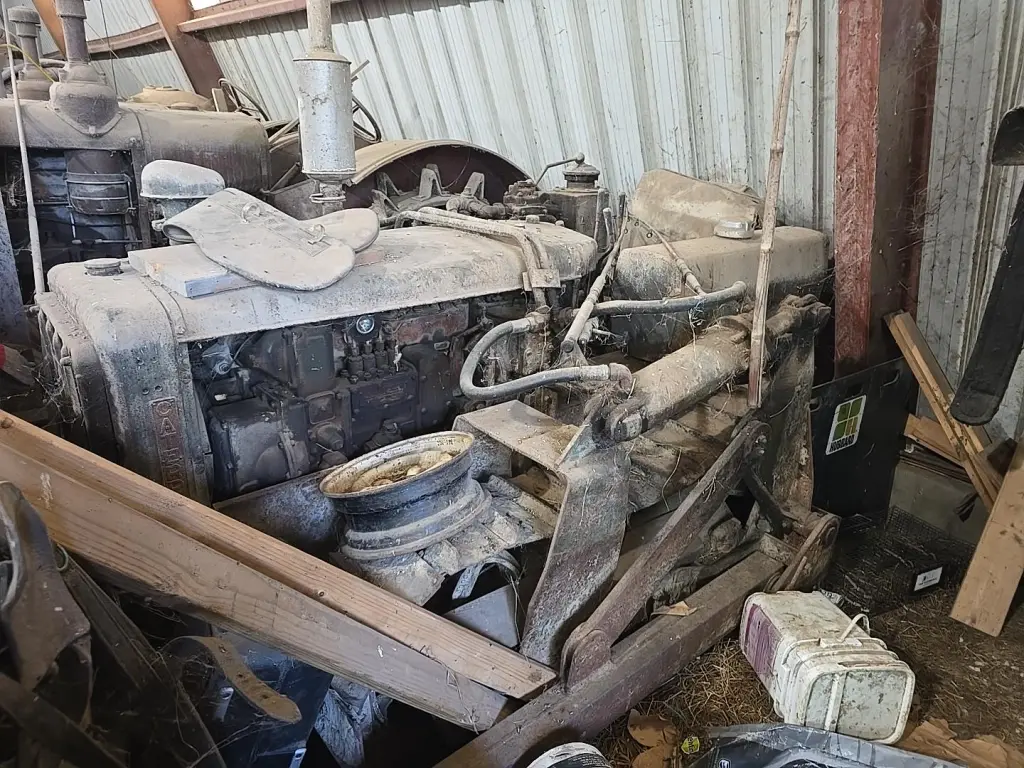
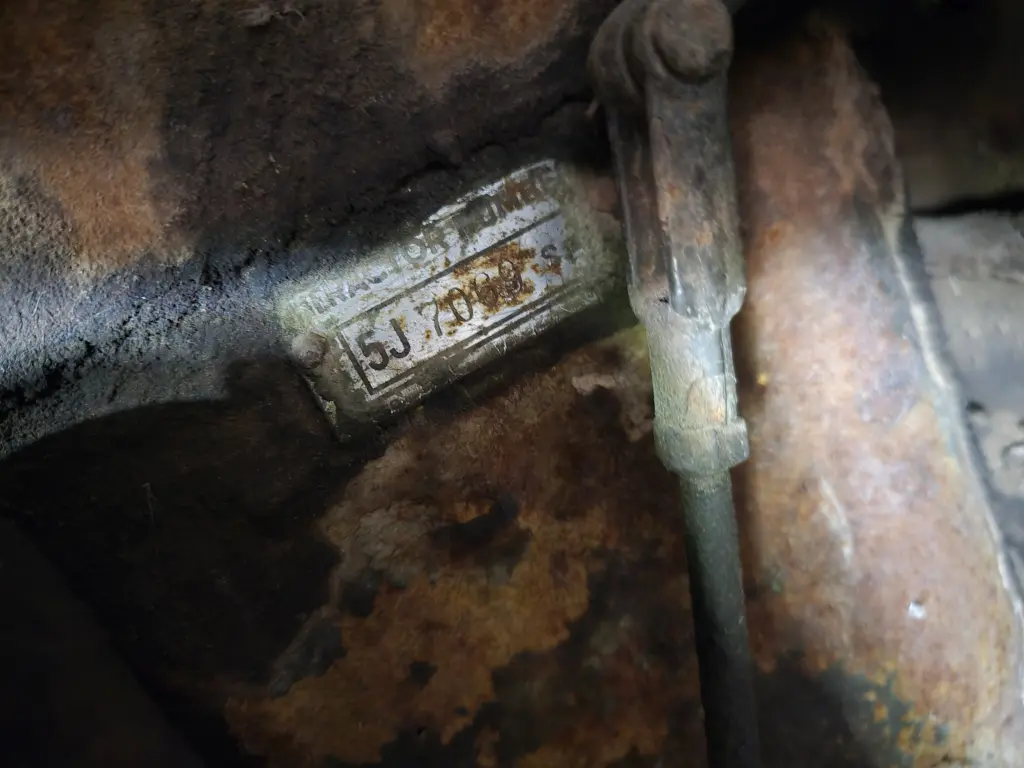
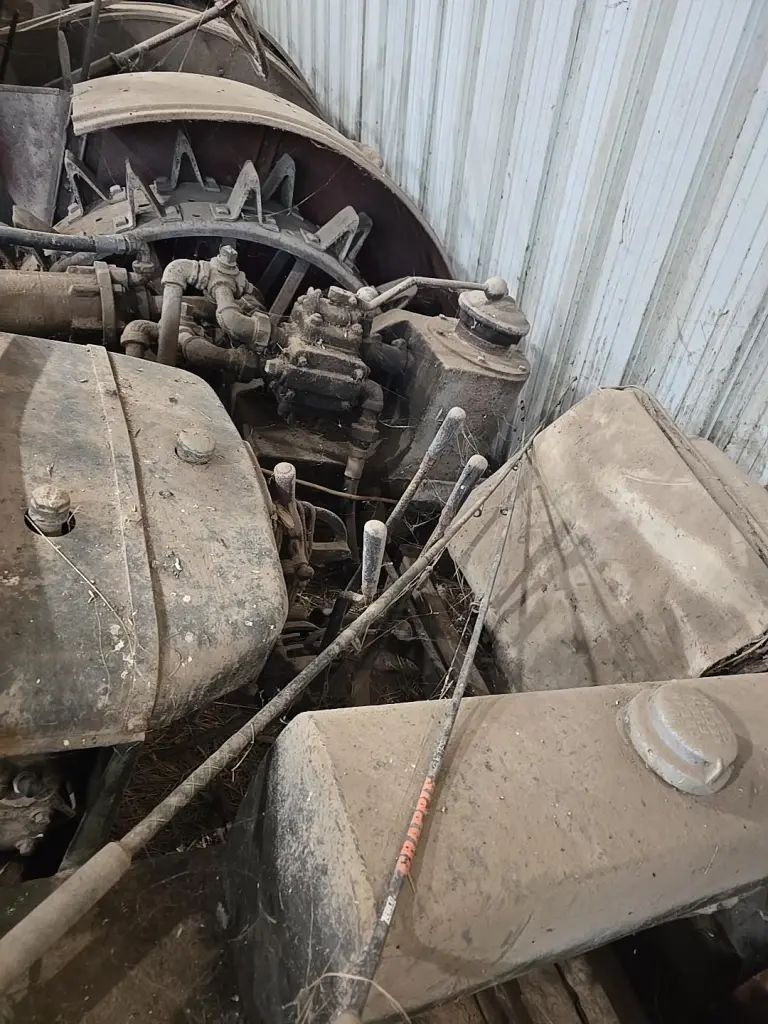
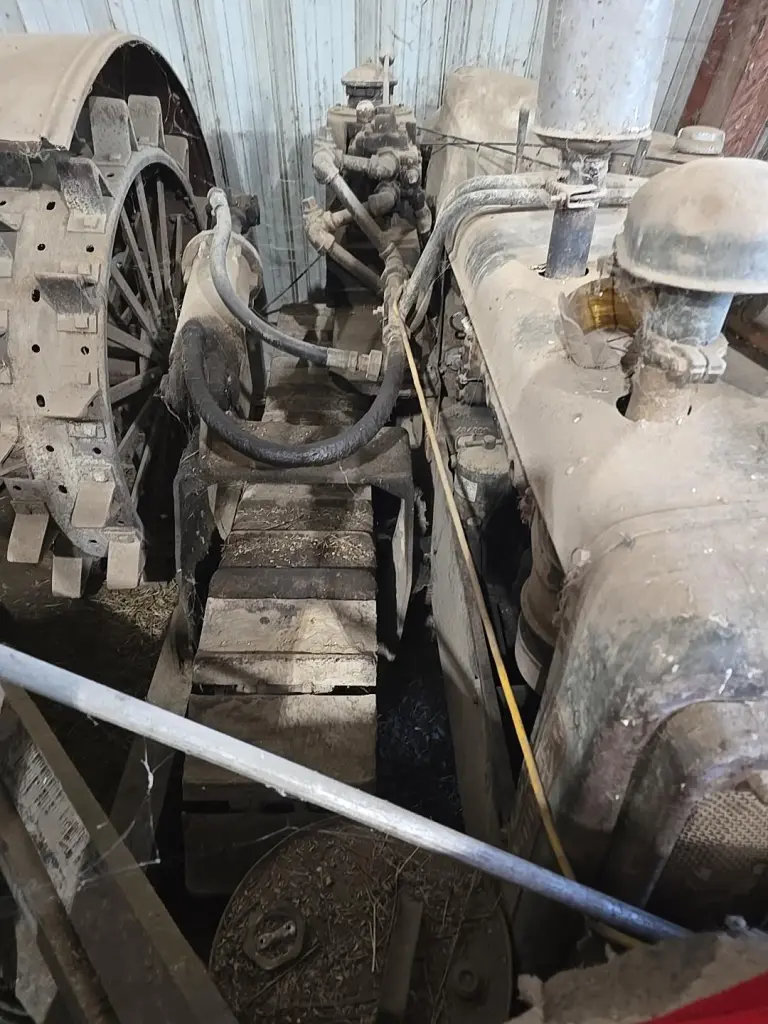
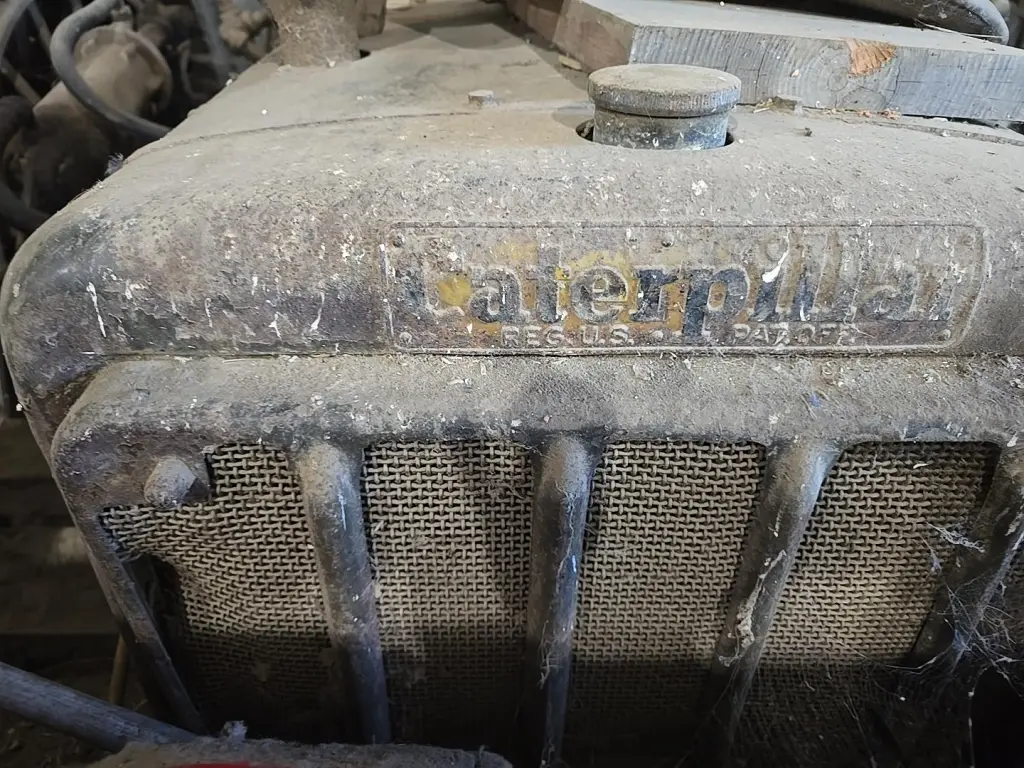
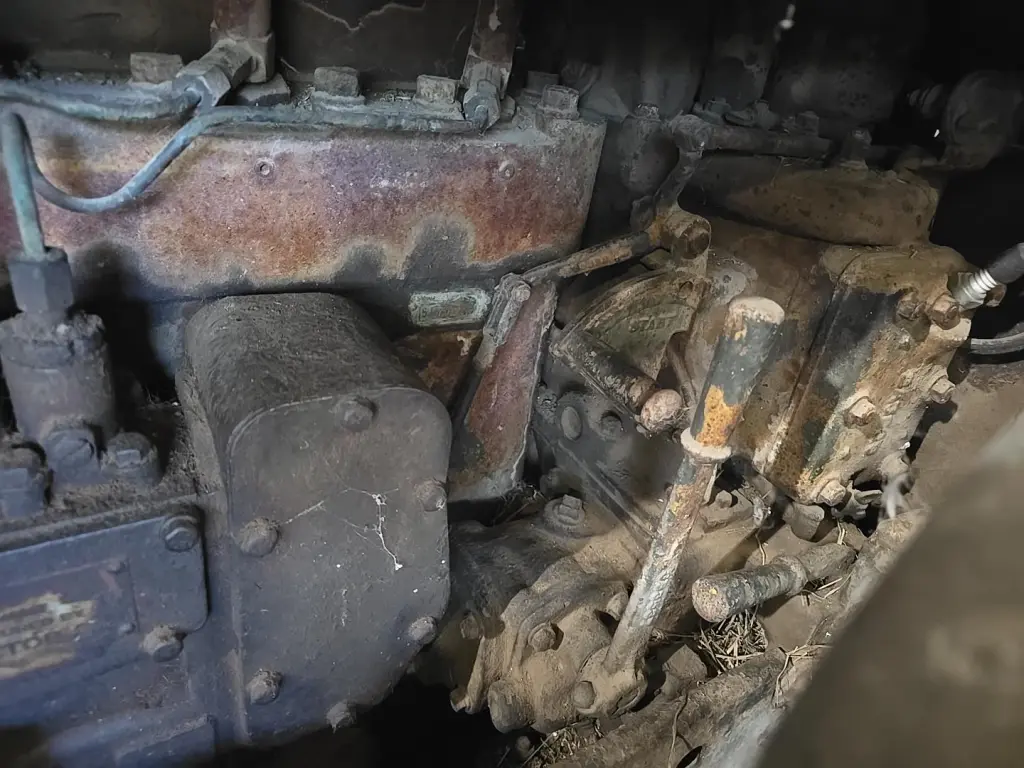
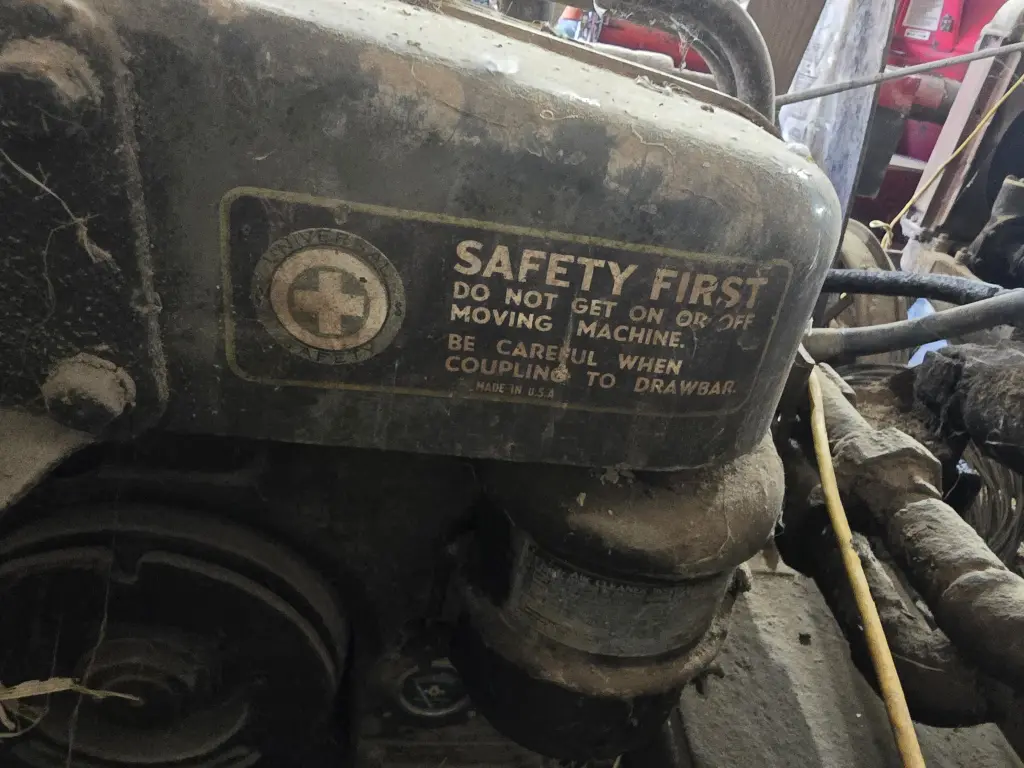
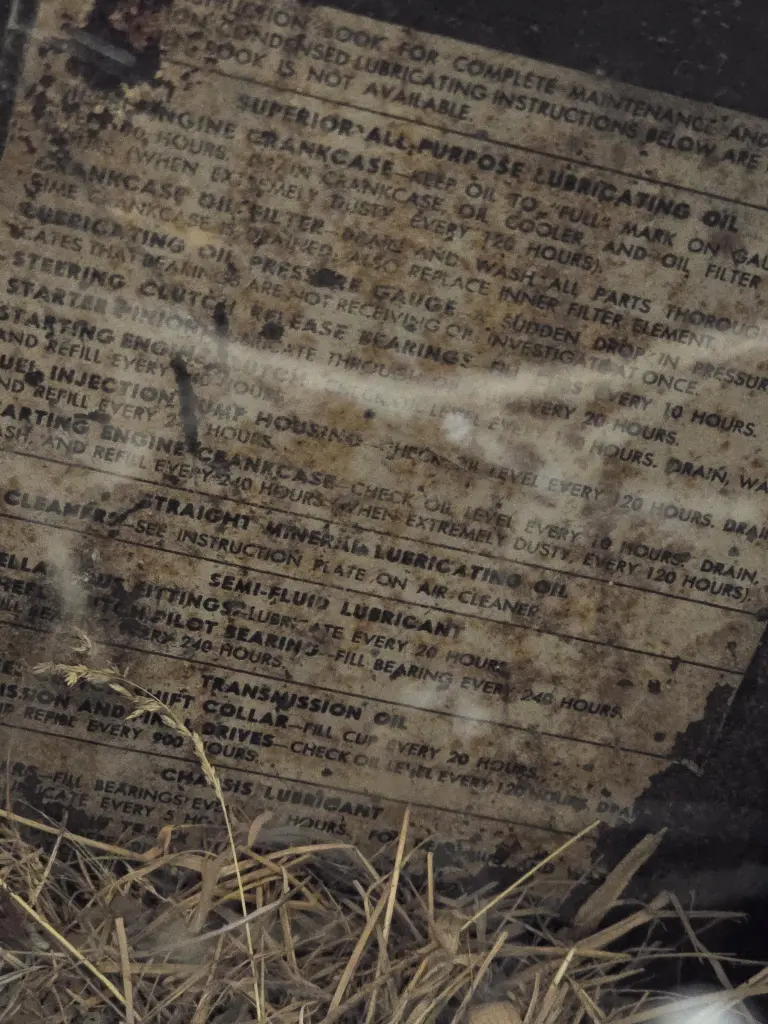
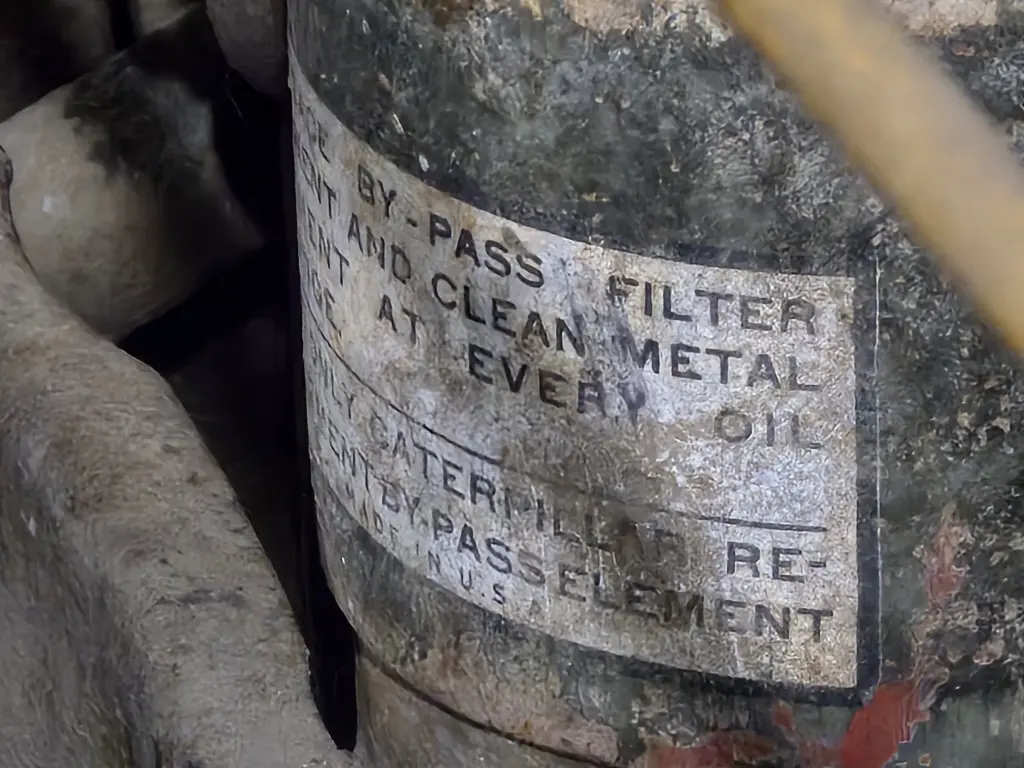
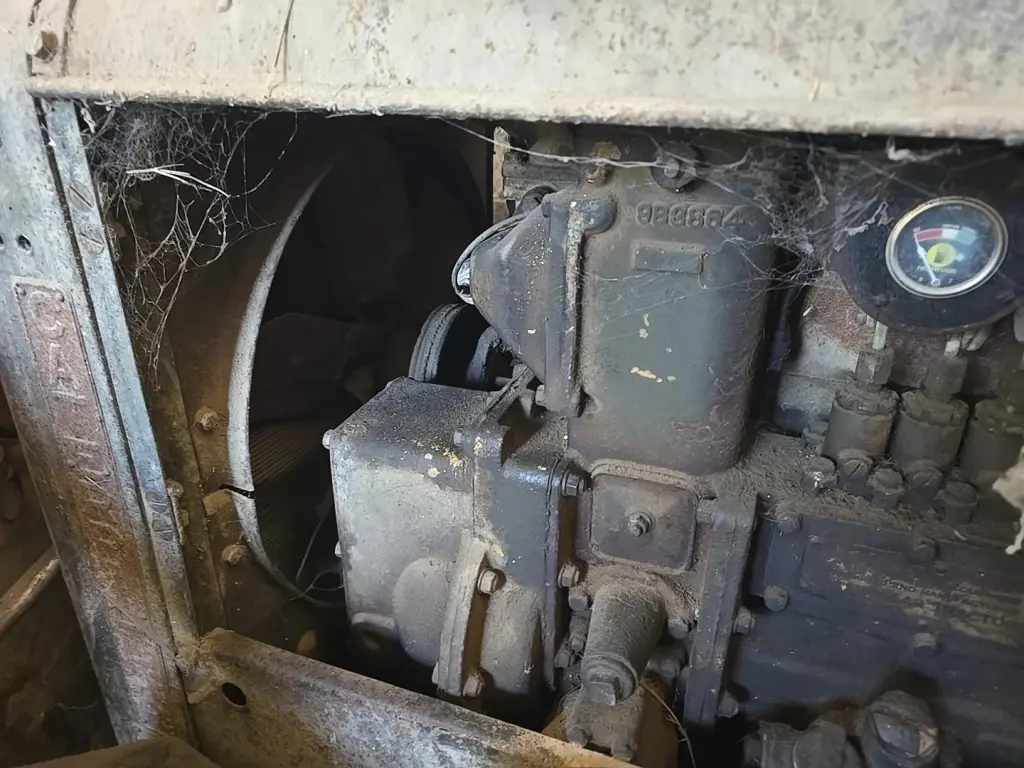
I read several years ago here there was a topic about D2 crawlers during WWII. Here is one my great-grandfather bought new in late 1945. A 1945 D2 5J7069SP. It has no military ID plates that I can see. It has a LaPlant Choate blade and the side fuel tank and hydraulic setup. The scraper is also a LaPlant Choate, a 1943 CAB type airborne scraper.
Everyone is gone now to ask, so the story as far as I can remember was he picked it up in Cedar Rapids at the LaPlant Choate factory sometime in 1945 along with the scraper.
Our local river was dammed for a hydro electric station in the 1920's. The joke was it could barely keep the lights on in the power house before it closed a couple years later, but the dam stayed. It raised the river up stream several feet, and in the 1930's it started to be a flood issue. I'm not sure how he got them, maybe since the river was flooding our farm ground, the Corps of Engineers gave him a deal on surplus. After he brought them home he spent the next 10 years building a series of levees, which are still here today, fighting the battle of Skunk River.
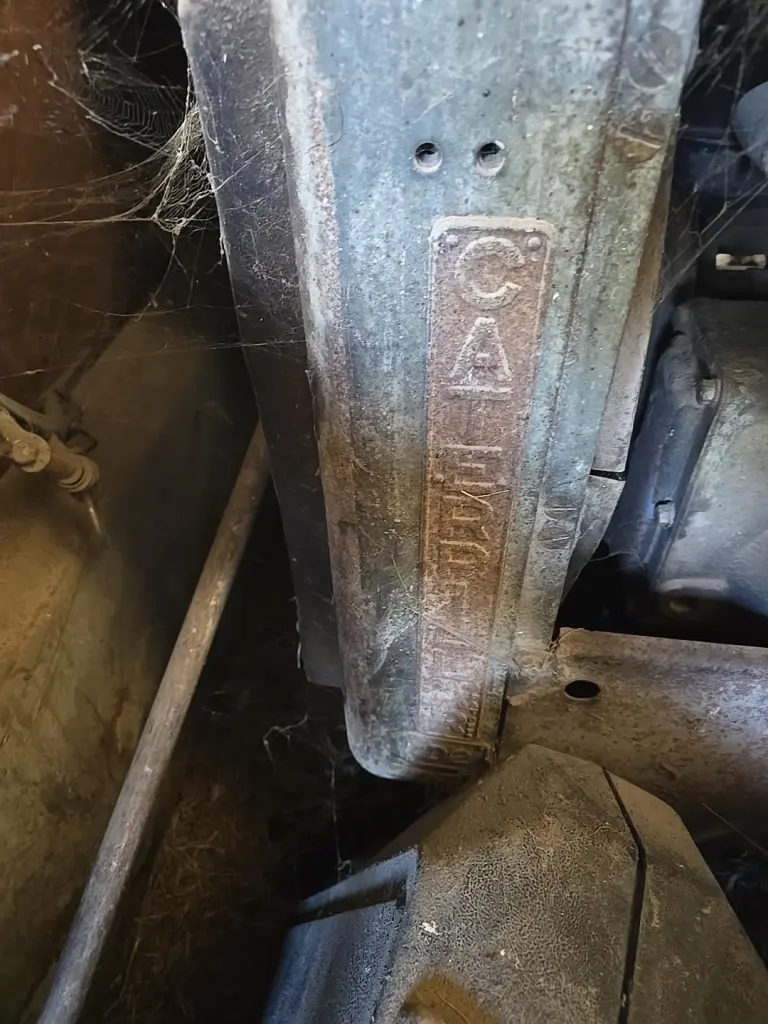
Three generations were adamant they never repainted anything and that the bulldozer and blade were always green, and the scraper was painted yellow over the green when they were picked up that day. Looking at the decals, it looks original. The odd thing to me is the logo plate on the D2 appears to be yellow. There are hints of yellow under the green on the engine, but nowhere else. Everything has always been in a shed, but the scraper had to move out a number of years ago.
They are on my list of things to get out again....someday. It ran when I was a kid, ~30 years ago. Was always told the pony was the biggest pain to maintain compared to the diesel.
Are there any original green D2s left out there? Curious how the ones that went on into military service if they had the yellow logo and same decals.
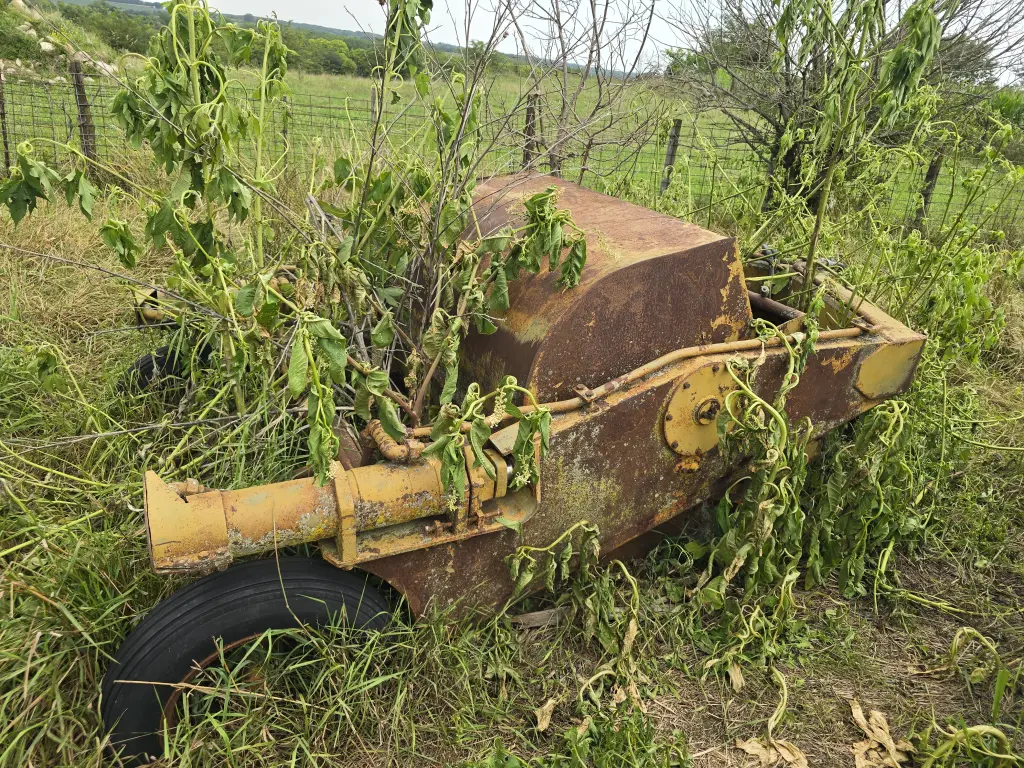
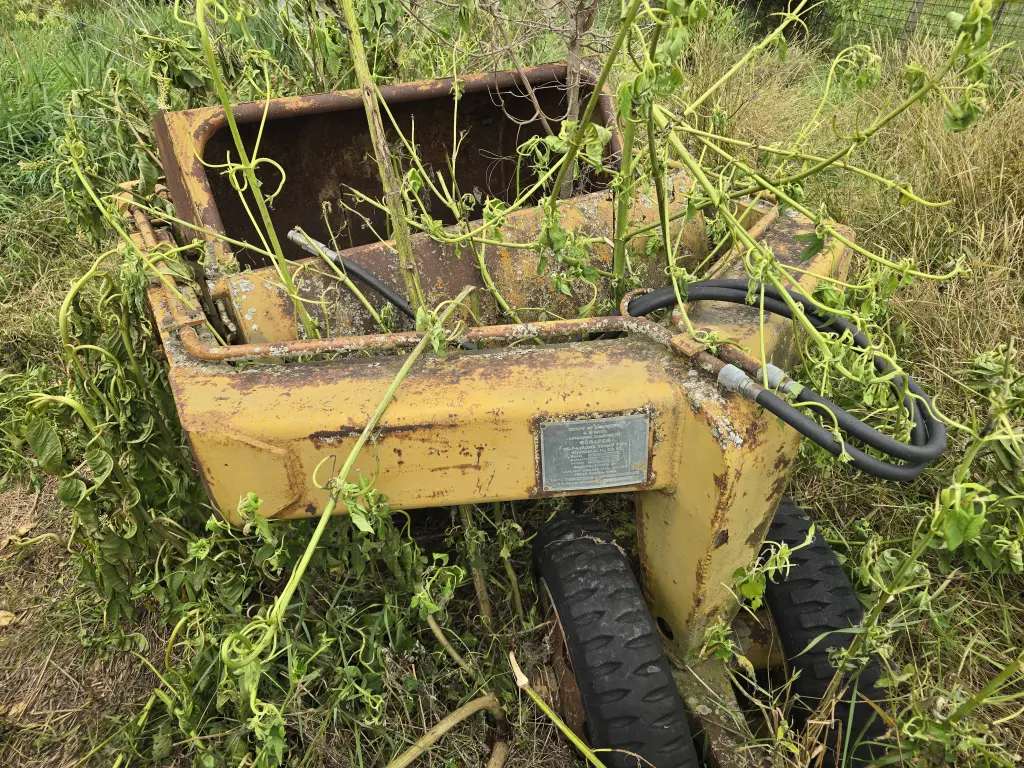
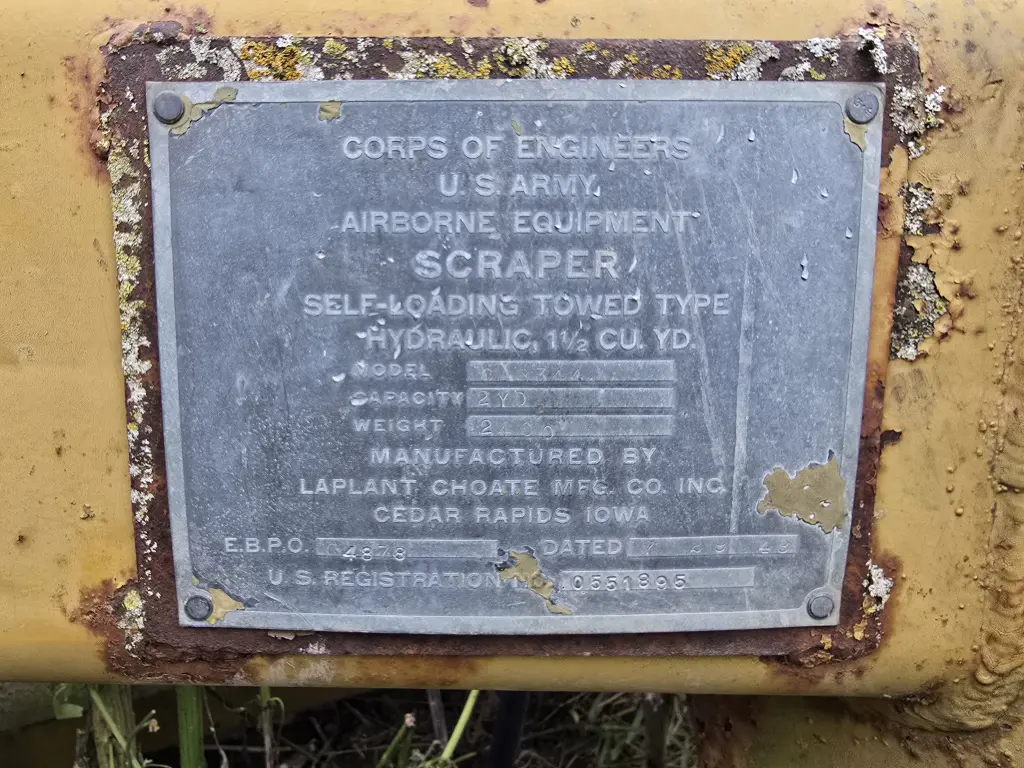
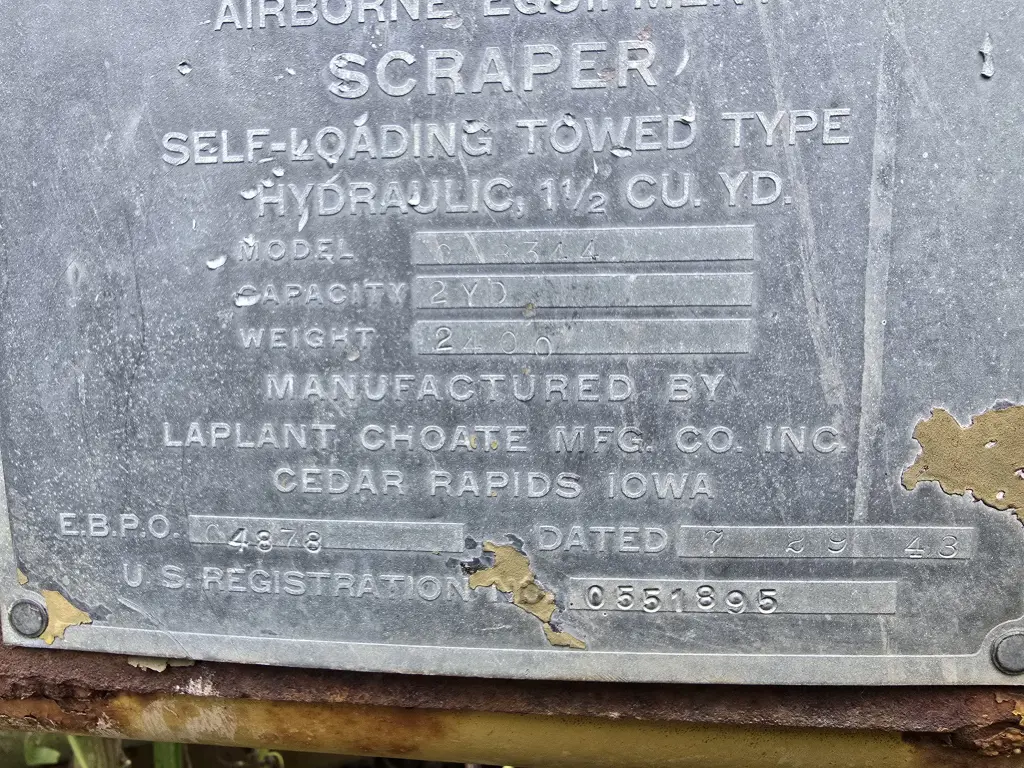
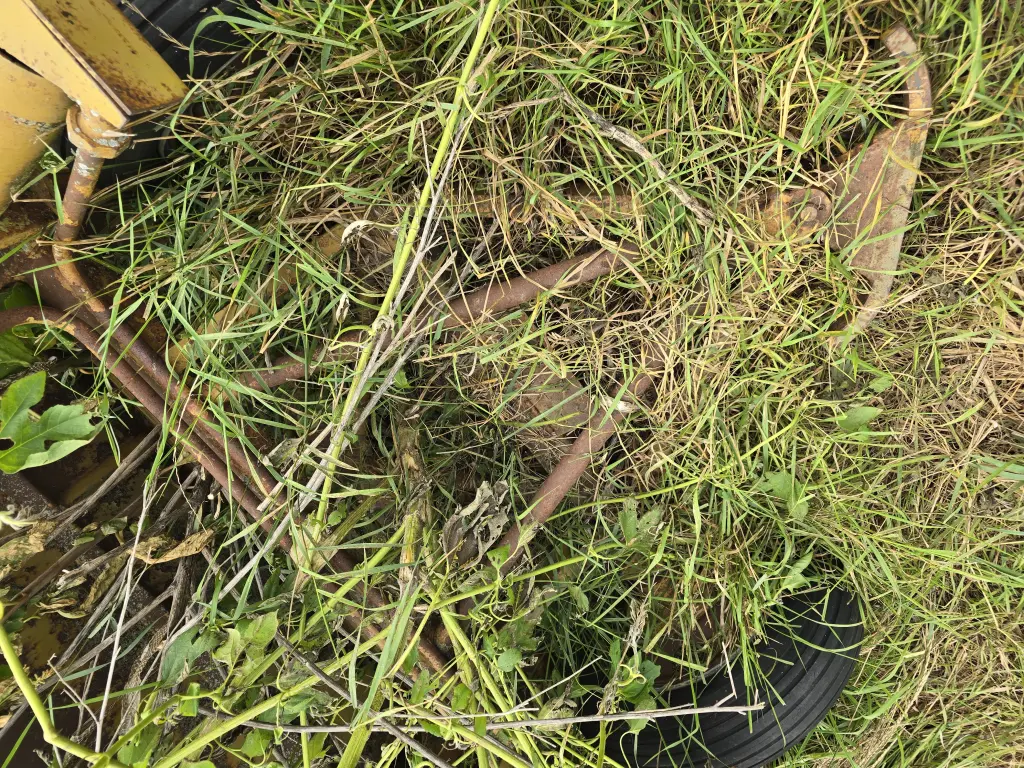
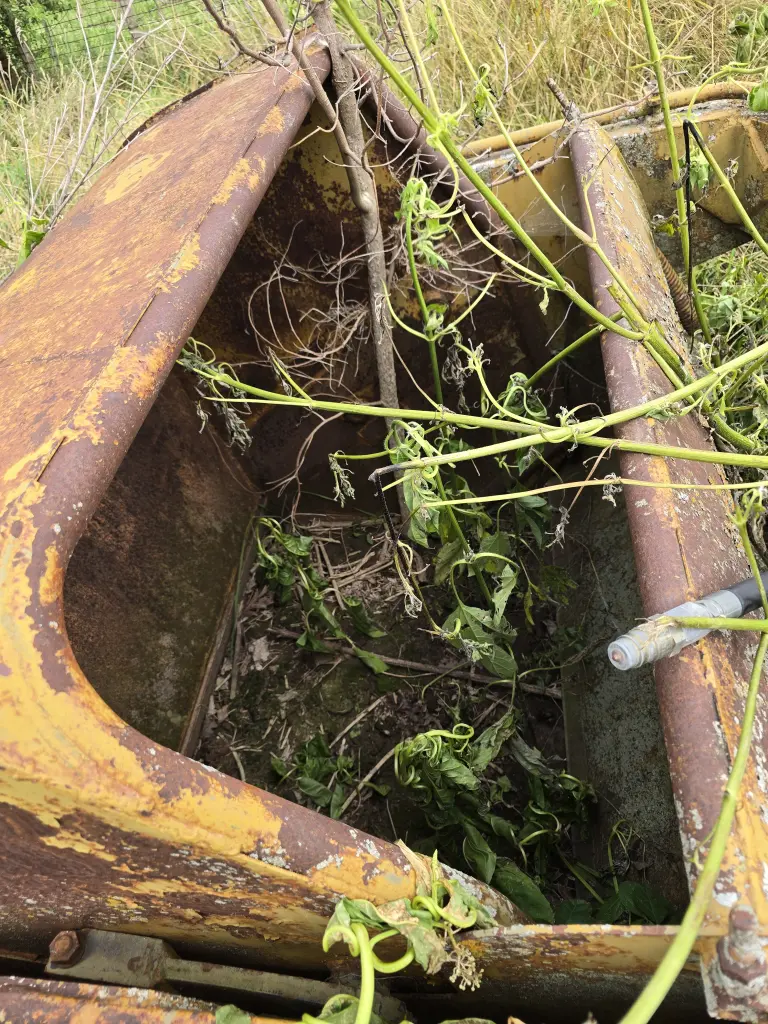
The Scraper
No expert on the subject, but I believe it was talked about on this site. With the government in one branch or another taking almost all Cat's produced during the war years Cat just painted them Army green.
One of the old time tractor mechanics in the area had been a mechanic/foreman for a big time farming company in the central valley in the war years. He told me several times the story of them applying and finally getting a new D8 during the war years. Food production was on the list and having hundreds of acres of land that had never been farmed but was fit to farm also helped. As well as being politically connected. So several times he had been notified Cat had put a D8 on a train headed to them in California. One time he knew it made it to Denver, were a contractor building government facilities managed to get it. Someone knew they made a variant that the seat was way to the left of the deck, a very long reach to get to cable control levers on the right side of the D8. Ordered with this difference no one with better rank from the ration board had interest in a D8 more suited to farming than dozer work. So they had a D8 to supplement all the Cat 60's they had been running. But know idea what color it was.
Interesting story! Politics and the war board played alot of games here as well. My great-grandfather was on the list for a Farmall M for quite awhile, then neighbor somehow ended up with it when it finally came to town. He went green after that.
Speaking of D8s, a local WWII veteran told me how during the war he was a Marine stationed on an aircraft carrier. After the war ended, they had a deck load of D7s and D8s and were told they couldn't bring them back to the states. So they fired all of them up, put them in gear and drove them off the flight deck.
The government remembering at the end of W1, when they brought a lot tractors back from Europe. Many had not even been used in the war, as they just arrived before the end. With the companies building tractors, all working at capacity, adding sold inventory back into what was available demand was overwhelmed. Which was thought by many as a contributing factor to the depression of the 1930's. So government thought it prudent to just dispose of the extra equipment at the end of WW2.
Seems like they could have left them on the flight deck, brought them back, and given them back to the OEM to resell for a dollar, or sent them to scrap since steel was still in demand
Seems like they could have left them on the flight deck, brought them back, and given them back to the OEM to resell for a dollar, or sent them to scrap since steel was still in demand
You would've thought so but like Ray said WWI when they brought the trucks back it collapsed the market. I think there 100 some truck companies before the war and after there was a dozen?
I think the problem that time was that they allowed the public to buy them. What I'm suggesting is selling them to the manufacturer for a dollar, rather than the public. That way, the market isn't flooded - rather, the supply side is eased particularly reducing demand on the likes of steel and such enabling those to be used for public works to restimulate the economy - roads, bridges, all kinds of infrastructure. It happened anyway but I suspect it could have enabled those built goods to avoid being just dumped.
We are talking about GOVERNMENT WISDOM, generally there is NONE. I don't imagine the average working Joe would of been to happy giving them back to the manufacture for cheap.
And some did get distributed back into private hands. From a story my uncle told, if you were in one of the engineering units you name went in a hat to be given a piece of equipment. Or maybe it was all dozers, I don't know. But a good friend of his won a 4r D6 with LaPlant-Choat dozer blade. He talked about going to San Diego to pick it up. They were parked so close together you could not walk between them. You gave the number to those in charge and they picked it up with a crane and swung it out and set it on your truck. Part of the story was how once out the crane operator got it he had a good laugh by picking it up as high as he could and have it moving back and forth. Before gently setting it very square on the truck.
My grandfather bought an AC HD 14 my uncle started clearing oak trees with from the war surplus. He worked with the fellow with 4r D6 for a number of years. My uncle bought a new AC HD 14c within a year or so the introduction of the torch converter drive. His friend traded the 4r in for new 9u D6 shortly after the oil clutch was new in the D6's. And they continued clearing land around Paso Robles California.


Our channel highlights machines from the earliest Holt and Best track-type tractors, equipment from the start of Caterpillar in 1925, up to units built in the mid-1960s.
Antique Caterpillar
Machinery Owners Club
1115 Madison St NE # 1117
Salem, OR 97301
Terms & Privacy
Website developed by
AdCo
"I became a member recently because the wealth of knowledge here is priceless."
-Chris R