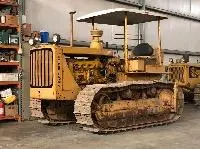
I need to change the coolant in my 1963 D7E that has the D339 4 cylinder engine. The more I read about the different types of coolant the more confused I get. I need something that prevents cavitation and protects down to the low teens fahrenheit. I'd like to have something that I can just add distilled water to and call it a day. Recommendations?
Me I was all time using standar coolant PRESTONE in my dozers D7
I have a follow up question relating to this. On some of the forums relating to newer tractors and diesels, knowledgeable people insist that the type of coolant used is critical. They say cavitation of the coolant next to the liners can greatly shorten the engine lifetime. Many engines had filters for adding SCA additives to the coolant. So at what point is this critical? I'm assuming older diesels like ours should not need anything more than standard green coolant. But do more modern CATs require different coolants? What is in the engine design changes that makes old coolants insufficient? I'm just curious about all this, since I grew up on all older machinery, where we would just back up to the fuel oil tank to refill, and things like that. Certainly no one ever worried about using anything other than Prestone or similar.
Back in the earlier days of trucking, we used Nalcool and Nalprep in our cooling systems to keep them up. Some trucks had a precharged coolant filter (with additive) Not sure if available for new engines.
I stick with green in the old engines here. The newer stuff with blue silicone hoses will keep getting the pre-mixed red. Tailseat15 Steve made some comment about mixing the types will harden the hoses?
I've been topping up with the regular green Prestone automotive coolant mixed with distilled water but was worried about cavitation. Is cavitation not a problem with these old engines?
Look up cavitation then Cavitation in Caterpillar Diesel Engines - Google.com
cavitation in caterpillar diesel engines - Google Search
If "we" can believe AI - there is an explanation that does make some sense. Might help clear up the confusion. CTS
CTS had a read and seems to make sense, some engines have inherent design issues that aid the pitting/corrosion of liners possibly from metals used or flow design of coolant system, no way to really check either of the 2 are the root cause, coolant additive obviously reduce the growth of corrosion of the parts,
At the family business we had 43 Volvo road trucks and another 30 something construction machines all volvo engines, we would use the OEM coolant (yellow in colour) we were told by the state technical rep that the different coolants had effects on internal O rings and hoses and pump seals, we stayed with OEM to hopefully reduce the corrosion of all internal parts, We did use a local radiator shop for radiator/air charge coolers, his dad had a bigger radiator shop that also had a Lab to test coolants etc to help solve rotting of coolers etc, we had the OEM coolant tested and found the additives were very similar to Cat ELC and a cummins branded coolant also, so we would purchase enough concentrate to mix a 1000L IBC and never went to OEM, the difference was colour in the coolant that happened to be food colouring and not caused from a chemical mix of additives. Basically most coolest additives are very similar most comes to colour to keep you buying another brand


Our channel highlights machines from the earliest Holt and Best track-type tractors, equipment from the start of Caterpillar in 1925, up to units built in the mid-1960s.
Antique Caterpillar
Machinery Owners Club
1115 Madison St NE # 1117
Salem, OR 97301
Terms & Privacy
Website developed by
AdCo
"I also joined a year ago. had been on here a couple of times as a non-member and found the info very helpful so I got a one year subscription (not very expensive at all) to try it out. I really like all the resources on here so I just got a three year. I think its a very small price for what you can get out of this site."
-Jason N